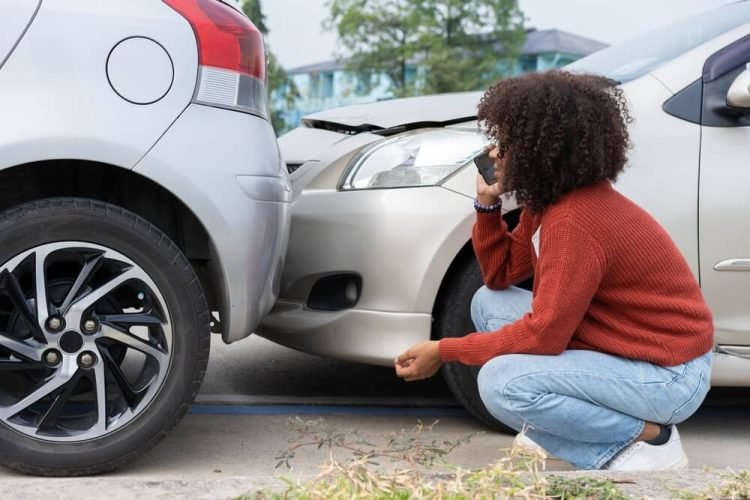
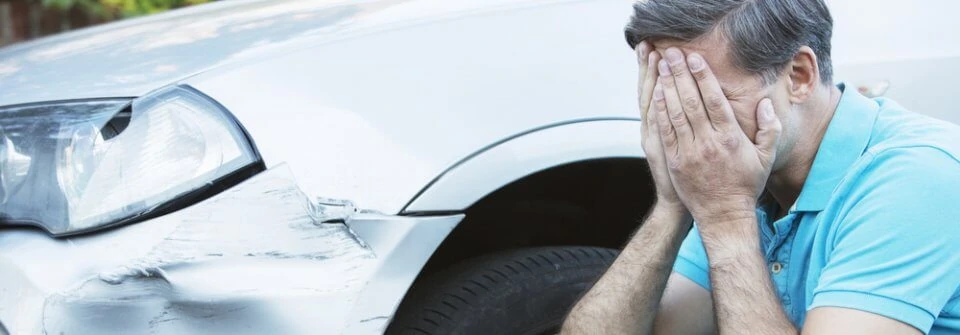
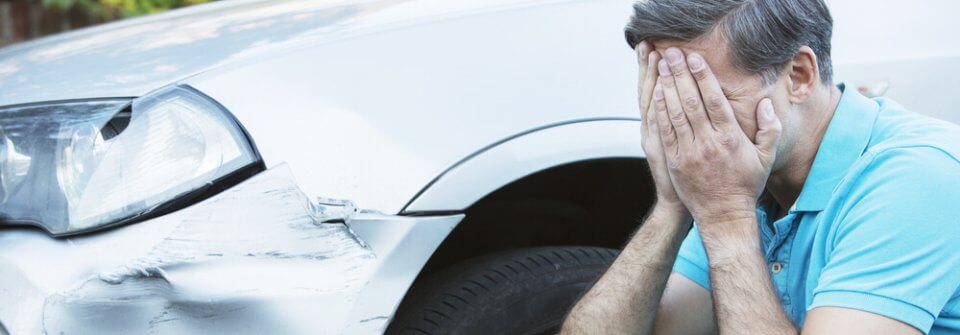
Have you ever returned to your parked car and discovered a new ding or dent? If someone dinged your car, start by taking photos of the damage, checking for witnesses and security cameras, and reporting the incident when required. Then find out whether your auto insurance may cover the repair and whether filing a claim makes financial sense.
For any driver dealing with a parking lot dent or door ding, knowing what to do next can help you avoid paying more than you should. This guide explains how to handle dents caused by another driver, how to identify who may be responsible, what coverage options may apply, when a claim is worth it, what repair methods like paintless dent repair involve, and how to reduce the risk of future dings.
Steps to Take When Someone Dings or Dents Your Car
Taking the right steps can help identify the responsible driver and support a claim.
- Document the scene. Note where and when you found the damage. Look for paint transfer, debris, nearby vehicles, or other clues.
- Take pictures. Capture close-ups of the damage and wider images showing the car, parking space, and surroundings. Do not clean or repair the area first, since your pictures and notes may serve as proof if fault is disputed.
- Check for witnesses. Ask nearby drivers, pedestrians, employees, or residents what they saw and request their contact information.
- Look for surveillance cameras. Ask the property manager or security team to preserve any relevant footage promptly because it may be erased automatically.
- Preserve your evidence. Keep photographs, videos, notes, witness details, estimates, reports, and related communications together.
- Collect the other driver’s information. If the driver is present, exchange contact, license, vehicle, and insurance details. Photograph both vehicles when safe.
- Report the incident when appropriate. Call 911 if someone is injured or the scene is dangerous. For property damage or a hit-and-run, use the police department’s non-emergency number or online reporting system.
- Get a repair estimate. A small ding or scratch may not show the full extent of the damage and can conceal cracked paint, broken hardware, or sensor damage. Compare the estimate with your deductible.
- Contact your insurance company. Ask which coverage may apply, what deductible you would owe, what evidence is required, whether there is a claim-reporting deadline, and how claim payments are handled.
What to Do If the Other Driver Is Present vs. a Hit-and-Run
The steps you take may differ depending on whether the responsible driver remains at the scene or leaves without providing their information. In either situation, stay calm, document the damage, and avoid making agreements before you understand the potential repair costs.
If the Driver Is Still Present
Stay calm, exchange information, photograph both vehicles, and collect witness details. Do not accept cash before understanding the repair cost. Waiting for an estimate can show the full extent of the damage before you decide about money. Contact law enforcement if someone is injured, the driver refuses to cooperate, or local law requires a report.
If the Driver Has Left
Document the area and search for witnesses or cameras, especially if you only noticed the damage after returning to your car. If security footage is available, request it to help identify the responsible party. Report the incident as appropriate, then give your insurer the available evidence and report number.
When Does Auto Insurance Cover Dents and Dings?
Coverage depends on what caused the damage, whether the responsible driver can be identified, your state, and your policy’s terms and deductibles.
Collision Coverage
Collision insurance generally helps pay for damage caused by contact with another vehicle or object, subject to your deductible. It may apply if another vehicle or car door dinged your car and the responsible driver’s insurer does not pay.
Uninsured Motorist Property Damage
Uninsured motorist property damage (UMPD) may cover damage caused by an uninsured driver where available. Some states or policies require the driver to be identified, so it may not cover every hit-and-run. Check eligibility and deductibles with your insurer.
The At-Fault Driver’s Liability Insurance
If the driver is identified, their property damage liability insurance may pay after the insurer determines responsibility. Evidence can support a third-party claim.
Comprehensive Coverage
Comprehensive insurance generally applies to non-collision events such as vandalism, hail, theft, or falling objects. A door ding caused by another vehicle is generally collision damage. The cause helps determine the applicable coverage.
Common Parking Lot Damage Scenarios
| Scenario | Who Is Typically Responsible? | Coverage That May Apply |
| A driver opens a door into your parked car | The person who opened the door | Their liability coverage; your collision coverage if they are unknown or do not pay |
| A vehicle strikes your car while parking or backing out | The driver who caused the collision | Their liability coverage; your collision coverage when applicable |
| A driver hits your parked car and leaves | The unidentified driver | Collision coverage; UMPD where available and applicable |
| Someone intentionally scratches or dents your car | The person who committed the vandalism | Comprehensive coverage, subject to policy terms |
| A shopping cart rolls into your vehicle | Responsibility depends on the circumstances | Comprehensive or collision coverage, depending on how the insurer classifies the event |
| Debris falls onto your car | Responsibility depends on the cause | Comprehensive coverage may apply |
These are general examples. Actual responsibility and coverage depend on the evidence, state law, policy language, and insurer’s investigation.
Should You File a Claim with Your Insurance Company or Pay Out of Pocket?
Start with a written repair estimate, then compare it with your deductible. If repairs cost $700 and your deductible is $500, a claim may provide only $200 before any other considerations. Paying yourself may be reasonable for a small repair, while a claim may make more sense when damage is extensive or affects safety equipment.
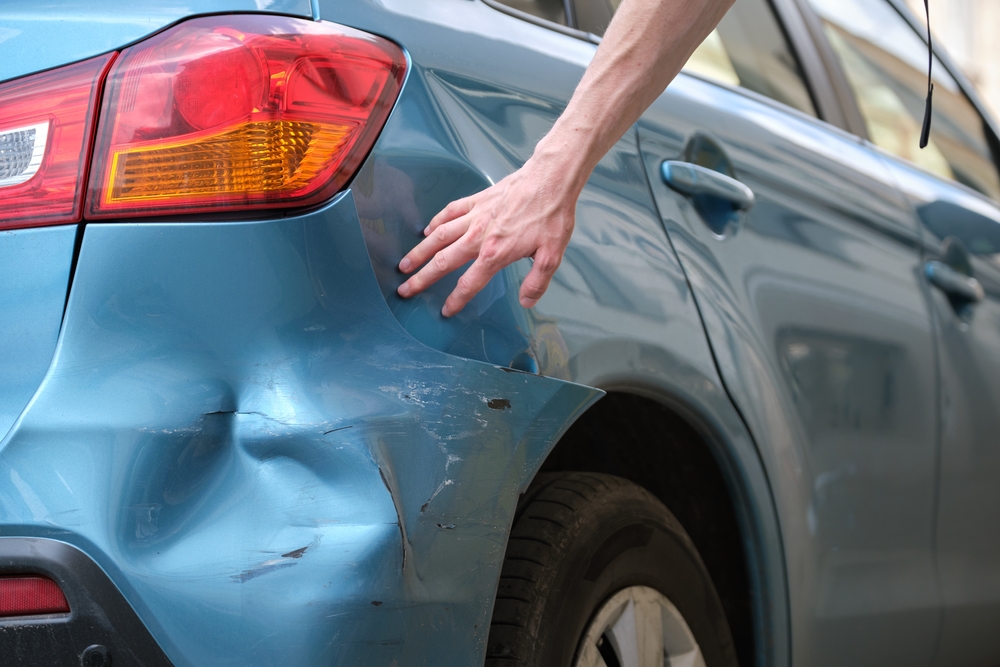
Do not assume a small-looking dent will be inexpensive. Modern bumpers, mirrors, and body panels may contain cameras, radar units, parking sensors, or blind-spot monitoring equipment. Even a minor impact can require diagnostic work or sensor calibration. Advanced paint finishes, aluminum panels, limited access behind a dent, and the need to blend paint across adjacent panels can also increase the bill.
Ask whether the estimate includes scanning, calibration, paint blending, parts, labor, and hidden damage. A claim can affect premiums, but the result depends on the insurer, state, driving history, fault, and claim type.
What Happens If You Can’t Prove Who Hit Your Car?
If the driver cannot be identified, collision coverage may pay, subject to your deductible. Comprehensive may apply if evidence points to vandalism, hail, falling debris, or another covered non-collision event.
Without applicable coverage, you may need to pay. Evidence can help establish the cause, so speak with your insurer before assuming coverage applies.
When Is Paintless Dent Repair a Good Option?
Paintless dent repair (PDR) reshapes a panel without sanding, filler, or repainting. It may suit a shallow dent when the paint is intact, the metal is not sharply creased or stretched, and the area is accessible.
PDR often requires less labor, preserves the factory finish, and is faster than traditional bodywork. Conventional repair with sanding, filler, primer, and paint may be needed when the paint is damaged, the metal is stretched, or internal parts are affected.
Prices vary by dent size, location, material, access, paint condition, vehicle, and labor market. Get an in-person estimate. Insurance may cover PDR when the loss is covered, and the insurer approves the method.
What to Do If You Witness a Parking Lot Accident
Call 911 for injuries or immediate danger. Otherwise, record what you saw, take photographs when safe, and give the owner your contact information. If the owner is absent, notify property management or security. Avoid guessing about fault.
What Happens If You Dent a Parked Car and Leave?
Leaving after damaging an unattended vehicle without notifying the owner may be treated as a hit-and-run. Requirements vary. Stop, try to locate the owner, leave the information required by state law, and contact law enforcement when required.
In California, a driver who damages an unattended vehicle must try to locate the owner. If the owner cannot be found, the driver should leave a written notice with their name, phone number, and address and report the collision to law enforcement. California also requires an SR-1 report to the DMV within 10 days when a collision causes more than $1,000 in property damage.
How to Help Prevent Future Parking Lot Dents
You cannot prevent every parking lot incident, but these habits may help reduce the risk of dents and other minor damage:
- Choose a well-lit space with room on both sides, since good light improves visibility when parking or walking around the vehicle.
- Avoid high-traffic areas, cart returns, loading zones, and tight spaces.
- Park farther from store entrances when practical.
- Avoid parking beside vehicles positioned over or close to the line, especially if their position leaves little room to open doors safely.
- Fold in side mirrors when appropriate and allowed.
- Use a garage or covered parking when available, especially during severe weather.
- Drive slowly and watch for pedestrians, carts, and reversing vehicles; avoiding speeding in parking lots also reduces the chance of minor collisions and dings.
Other types of damage require different coverage questions.
Review Your Auto Insurance Options With Freeway
Not sure how your policy may respond to dents, dings, or other vehicle damage? Freeway can help you compare auto insurance coverage and understand your options. Start a quote online, call 800-777-5620, or visit a local Freeway office to speak with a licensed agent.
Frequently Asked Questions
What should I do if someone dents my car in a parking lot?
Photograph the damage and surroundings, note the time and location, and check for witnesses or cameras. Exchange information if the driver is present. Report the incident when required, obtain a repair estimate, and contact your insurer to discuss coverage and deductibles.
Should I call the police for a parking lot dent?
Contact law enforcement if someone is injured, the driver leaves, the damage meets your state’s reporting threshold, the other person refuses to cooperate, or your insurer requires a report. Use the non-emergency number or online reporting system for minor property damage when available.
Will insurance cover a door ding?
It may. The responsible driver’s liability coverage or your collision coverage may apply when another vehicle’s door causes the damage. Comprehensive coverage may apply when vandalism or another covered non-collision event caused the dent. Deductibles and exclusions matter.
Can I file a claim if the other driver leaves?
Yes. Collision coverage may cover hit-and-run damage, subject to your deductible. UMPD may apply in some states and policies. Photographs, video, witness statements, and a police report can support the claim.
Is paintless dent repair covered by insurance?
PDR may be covered when the cause of damage is covered by your policy and the insurer approves the repair method. Ask the insurer and repair shop whether the dent qualifies and how the deductible and payment will be handled.